Monday, February 29, 2016

5 Common Questions Potential Home Buyers May Ask

C21_Feb_B1_Link_CommonQuestions_v3

What is the status of…?
Although you’ve probably listed the vital information about your home’s integrity in accordance with state law, there’s some information that may be absent from those forms and of general interest to potential buyers. They will likely want to know the quality and age of items such as your roof, appliances, plumbing, windows, central heating and cooling, and garage doors. Research your home’s various parts to know this information for potential home buyers.
Has your home ever had a pest problem?
Potential buyers may want to know if your home is prone to infestation by rodents, insects, or any other irksome little creatures. You’ve most likely managed any pest problems before putting your home on the market, but it’s important to give an honest account of your pest history if asked.
How’s the neighborhood?
This question is intentionally open-ended to let you share any pertinent information about the neighborhood that potential buyers should know. Buyers may be curious about neighbors, schools, restaurants, entertainment, safety, and other general facts. Be sure to highlight the stellar aspects of the neighborhood and shift emphasis away from any negatives.
Where is…?
Certain features of your home may be harder for buyers to locate. They may want to inspect items such as the water heater, sprinkler controls, thermostat, pool filter, and circuit breaker. Show potential buyers where these can be found and how they’re maintained.
Is there anything else I should know about this house?
This is your chance to share all the information you wish you’d had known when you moved in or things that may not have been covered yet. You could share things like when trash day is, the nearest hospitals, the best way to care for your lawn and garden, or which neighborhood dogs are your favorite.
Be ready to answer any question a potential home buyer asks. If you don’t know the answer right away, be honest about it and be sure to get back to them promptly.

Sunday, February 21, 2016

A Little Education Never Hurts!


The best method available to home sellers to learn their home's current value so they can select the best sale price is a CMA 

Everyone who has ever sold a car knows they have to first find out how much it is worth and what people are willing to pay for it. It's easy to gather the information you need to set a price from newspapers, the Blue Book, or online used car sales sites. When you've gathered this information you can then set a price that potential buyers will find attractive. It's really pretty simple and requires very little pricing expertise. 

If you want to sell your home, it's not so easy and it's certainly not simple. The value of your home is much more difficult to predict and the information available to home sellers can be untrustworthy. Online home valuation sites are fun to play with, but they are based on past sales, not current market factors. Newspaper listings give you some information, but houses are usually so different that it's hard to compare. 

The best method available to home sellers to learn their home's current value so they can select the best sale price is a CMA, or Comparative Market Analysis. CMA is the term real estate agents use when they conduct an in-depth analysis of a home's worth in today's market. 

The best part about this CMA, It's FREE! 

When should I ask for a CMA? 
If you don't get a CMA before you list your home you might try to sell it for the wrong price. Setting the price too low means you'll get less money for your home; setting it too high means it might not sell at all. Every real estate agent in the country will want to complete a CMA on your home before helping you sell it. Sellers who haven't yet chosen a real estate agent often ask several agents to complete CMAs so there is opportunity to meet different agents and to see how they work. 

How is a CMA prepared? 
First, an agent will walk through your home. The home does not have to be in perfect condition. However, property condition does affect price, so if you plan to do work on the property, let the agent know. At this point the agent may recommend improvements to increase your home's value. 

Second, the agent will research information about comparable properties in the area, usually using a real estate industry resource called the Multiple Listing Service. This includes:
  • Properties that have sold and closed within the last 12 months
  • Active listings - properties currently for sale
  • Pending sales - listings that have sold but not yet closed
  • Expired listings - properties that did not sell during the listing period
Lastly, the agent suggests a probable selling price. Don't be surprised if a CMA results in a price range rather than a set price, particularly in markets were there are price differences due to property size, age, architectural style or physical condition. 

What can you expect to see in a CMA?
A completed CMA is presented in the form of a report, which includes the selling price, detailed information about your home, and the comparable properties that were researched to determine its value. Because the price derived from a CMA is somewhat subjective, some agents may include brief statements on the perceived selling points your home. 

A CMA is not an appraisal.
A real estate appraisal is a comprehensive evaluation performed by an independent professional appraiser. With a CMA, the agent's experience in the business and familiarity with the local area can affect the accuracy. Typically, a CMA prepared by an experienced agent with good knowledge of the local market is right in line with your home's appraised value. A CMA can therefore be a very useful tool in a real estate transaction. 

When selling your car, an incorrect price might cost you a few hundred dollars. If you set the wrong price for your home, you could lose tens of thousands of dollars. Do your homework and ask a real estate professional for a Comparative Market Analysis to ensure you get the most value for your home. 

Tuesday, February 16, 2016

There is such thing as Winter Curb Appeal!


How to Up Your Winter Curb Appeal


C21_Jan_B1_Blog-CurbAppeal

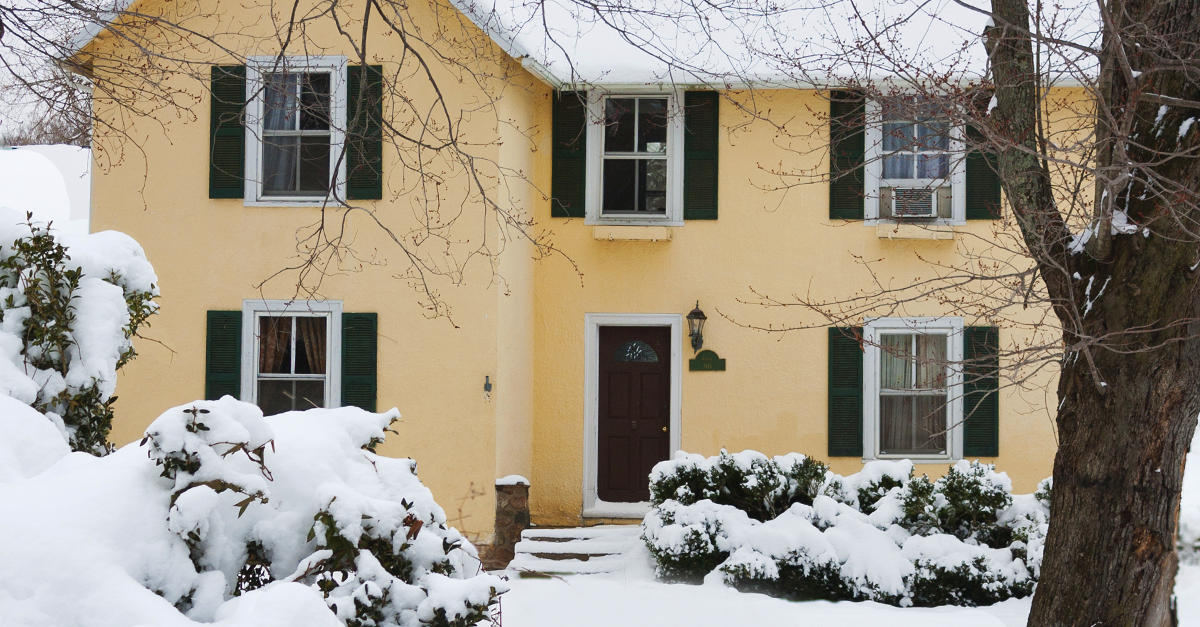
Regardless of the season, your home should make a good first impression on potential home buyers. Here are some helpful tips for boosting your home’s curb appeal during the winter months.
Light It Up
With less sunshine and shorter days, adding outdoor lighting to your home will help illuminate it and could make it more inviting to buyers. Lighting the pathway to your front door and highlighting any features unique to your home may increase your home’s curb appeal.
Plan for Snow
Depending on where you live, you may get some (or quite a bit) of snow during winter. Your home’s aesthetic could benefit from having a neatly cleared driveway and walkway. It may also be helpful to avoid piling up shoveled snow into unsightly mounds while clearing it. Try using salt to melt snow and checking weather forecasts to prepare for heavy snowfall.
Add Winter Plants
Don’t let winter weather mean the end of your garden. Adding evergreen or winter-blooming plants can inject color into the white and gray winter landscape and make your home stand out. Flowers such as witch hazel, winter jasmine, and pansies can thrive and add color all winter.
Eliminate the Ice
Ice can be a problem in terms of both safety and curb appeal. Icy grounds can be a slipping hazard and hanging icicles can detach at any moment. Moreover, sharp and dangerous looking icicles attached to your home’s roof and gutters don’t make your home seem inviting to home buyers. Be sure to salt your walkway and safely clear ominous looking icicles.
Update Your Door
A front door that appears to be in need of a fresh coat of paint or refurbishing can deter home buyers. Your front door should be in pristine condition, and in the winter months it could benefit from a splash of vibrant color to juxtapose the sparsely colored winter season.
Don’t let winter freeze up your home’s curb appeal. Follow these helpful tips and you may make your home as appealing now as it is the rest of the year.

Sunday, January 3, 2016

4 Common Open House Mistakes Made by Home Buyers

4 Common Open House Mistakes Made by Home Buyers

When you’re looking for your dream home, how do you ensure that you’re getting exactly what you want? One easy way is to stop by open houses in your neighborhood. It’s easy to make a mistake during the complicated open house process, so here are a few things to avoid when attending an open house.
Don’t get distracted by the current state of the house.
Paint colors, carpets, and cluttered rooms can distract you from the way a home looks. When you enter a home and you don’t initially like the way it is decorated, don’t let it stop you from appreciating the architecture of the house. Ignore what’s inside and imagine it decorated with your furniture and photos.
Don’t believe everything you hear.
The homeowners you interact with may very well be interested in helping you find the right home, but at the end of the day, do your own research. You wouldn’t buy a used car without a history, so treat your potential new home the same way. Make sure you know everything, from past damage, to potential for any new problems in the future.
Don’t forget to ask questions.
On that note, make sure that you ask a LOT of questions. Don’t simply walk into a home and sign on the dotted line — that’s not the best way to make a huge investment. Ask questions about everything, from the current condition of the home, to details about the neighborhood. You’ll want to have as much information as you can before you purchase the house.
Don’t try to figure it out on your own.
Open houses can be confusing, so don’t walk in unprepared. The perfect weapon is having your agent by your side! Agents are trained to attend open houses and see what is going on. They’ll know what to ask and look for even if you don’t.
Most importantly, don’t let an open house overwhelm you; it’s meant to be an easy way to see the home you’re interested in. This list can help you take the first steps in preparing yourself for your open house visits and ensure that you find the perfect place for you and your family.

Sunday, November 29, 2015

Baby Proofing The Hoidays!

How to Baby Proof for The Holidays

C21_Nov_B1_Link_BabyProofing_v2
If you’ve got a little one this holiday season, don’t make the mistake of being unprepared. This time of year brings about unique potential dangers for him or her that you might not have considered. Follow these five tips on how to baby proof your home for the holidays.
  1. Skip the tablecloth. Infants are known to be grabby, and the hanging end of a tablecloth is too tempting to resist. In one quick tug, your tyke could accidentally pull down the entire dinner table setting, including your dishes, silverware, and candles. Yikes!
  1. Keep flowers out of reach. Contrary to popular belief, poinsettias aren’t actually poisonous, but there’s still no reason for your child to ingest them. Keep all plants out of reach. They’re not food, and you never know which one may make a particular individual sick.
  1. Don’t wrap with ribbons. Stick to wrapping paper only when giving gifts. Leftover ribbons can easily fall on the ground, presenting a choking hazard for you baby. Additional tip: Gather up and throw away wrapping paper as soon as it’s discarded. Again, you never know what your child might put in their mouth.
  1. Secure your tree. Fasten your tree to the wall and consider blocking off the area with a baby gate because after all, the tree is for looking, not for touching. If you want to bring your baby closer, do so under strict supervision, and don’t let them tug on any branches.
  1. Hang ornaments higher. Hang all ornaments out of reach on the top half of the tree, just in case your tot does get closer to the tree. Smooth, shiny decorations will be sure to attract their attention, and all too many are easily breakable. If you feel like your tree is a bit bare, opt for paper or felt ornaments on the lower half.

These simple changes to your holiday decorating routine may make for a safer celebration for your newest family member.


Friday, November 13, 2015

New Homeowner Tips – 5 Do’s and Dont’s

New Homeowner Tips – 5 Do’s and Dont’s

If you’ve recently purchased a new home, or if you’re about to, you’ve likely given a lot of thought to all of the responsibilities that come with it: mortgages, insurance and — sooner or later — renovations and repairs. While the responsibilities can seem overwhelming, owning a home is exciting and rewarding too. You just need to know what to do and what not to do to avoid unexpected expenses.
New Homeowner Do’s:
There are a few home maintenance projects that should top the to-do list of every new homeowner. According to a recent article, these include:
  1. Checking your HVAC system: If your HVAC system wasn’t serviced before you purchased the house, inspect air filters and other components for anything in need of repair or replacement.
  2. Inspecting gutters and downspouts: Make sure that your gutters or downspouts have been cleared of debris. If they’re clogged, moisture could build up and leak over into your roofing or foundation — a predicament that will most likely require costly repairs. Also look for cracks or holes in the system; these could cause the same issues.
  3. Look for leaks: Air and water leaks — whether in your insulation, your pipes or your walls — can lead to a number of issues in your home. They’re the perfect entry for pests, and they also offer a prime opportunity for air to seep out, which can force your HVAC system into overdrive. Fix leaks immediately with weatherproofing, caulking or more insulation material.
  4. Assess insulation: Attic and basement insulation are crucial to protecting your roof and foundation from moisture, pests and interior temperature fluctuations. If there are holes, missing pieces or other issues with your insulation, you will need to have it augmented or replaced. You can install some kinds of insulation yourself; others require the help of a professional.
  5. Upgrade appliances: Depending on the age of your appliances, now might be a good time to upgrade to newer, more energy-efficient models. Replacing one or more of your appliances will pay back in utility bill savings, whether you replace your washer and dryer, dishwasher, microwave or refrigerator.

New Homeowner Dont’s:
There are also some new homeowner mistakes you should avoid. Making these mistakes could lead to the need for costly repairs and renovations down the road:
  1. No routine care: While the house might have passed a home inspection, you need to keep it up to snuff; if you don’t, you could find yourself paying for major repairs within a year. Routine care includes seasonal maintenance like roof inspection and repair, gutter cleaning, deck repair and cleaning, and so forth. Ignoring these areas or waiting another year before attending to them could lead to more trouble — and money spent — than necessary. Don’t wait.
  2. Renovating too soon: Although you may have considered a kitchen or bathroom remodel going into the purchase of your home, it’s best to wait at least one year before you renovate a room. You need to get to know the house and confirm that there aren’t more crucial repairs that need your budget and attention first. Otherwise, you could get halfway through your remodel only to find that your foundation is in serious disrepair — and that you have no money to fix it.
  3. Overspending: As a new homeowner, you have a lot of costs to factor into your budget, including mortgage payments and an increased utility bill. If you invest in remodeling projects or landscaping in the first year — without giving yourself some time to get used to your new budget — you could end up in the red. Spend a year getting to know your new home budget, then think about spending money on improvements.
  4. Dreaming too big: If you don’t have the money to remodel in the first year but want to do it anyway, you might try to DIY. We’ve all watched the DIYNetwork, HGTV — programs that make it all look simple. But we have to be realistic. These DIYers are experts who have worked in the field for years. Most homeowners have no prior experience, and our projects generally show our lack of expertise. If you attempt a DIY remodel, you will likely spend thousands to have a professional redo your work.
  5. Taking the lowball offer: When you start hiring contractors for home projects, you’re going to run into those who quote far below the average bid. While you might be tempted to hire these pros, DON’T. As the saying goes: you get what you pay for. More than likely, you’ll end up hiring another pro to fix a shoddy job.

Conclusion
Being a homeowner comes with a lot of responsibility and a lot of opportunity — some of it exciting and some not so much. It’s important to keep up on routine maintenance, as well as be prepared for everything that may come your way before you invest in major home improvements. Take this quiz to see whether you’re ready to be a new homeowner or need a little more time to prepare.

Wednesday, November 11, 2015

The Advantages and Disadvantages of Different Types of Homes!


Facebook

C21_Oct_B2_Blog-DifferentHomes (2)

Apartment or Condo
An apartment or condo is one unit of a larger building. The difference between them is that you rent the former and buy the latter. Deciding which option is better for you is an entirely other conversation — check out our renting vs. buying calculator for more. Regardless, both options offer some pros and cons regarding physical living space.
Advantages:
– Maintenance and repairs are covered.
– Utility bills can be lower because you may not be responsible for heat or water.
– Amenities, such as security and fitness centers, may be included.
Disadvantages:
– Privacy isn’t promised — sounds can travel through walls, floors, and ceilings.
– Parking can be a hassle if the building doesn’t have a designated garage.
– Space is limited, and a yard will be communal if it exists at all.
Townhouse
A townhouse is a house connected to others in a row, usually with space for a small front lawn or backyard.
Advantages:
– Communities are tight knit due to close quarters.
– Home Owners Association (HOA) covers maintenance through their membership fee.
– Prices are typically lower than standalone units.
Disadvantages:
– Renovations need approval from the HOA.
– Some walls are shared with neighbors, which decreases privacy.
– Space is limited, though more available than when in an apartment.
Detached House
A detached house is a single structure with its surrounding property, though it can vary in terms of architecture, size, and location.
Advantages:
– Privacy, space, and independence are at a maximum.
– Value usually increases over time, making a house’s purchase more like an investment.
– Storage space allows for more material possessions, whether for hobbies or bulk buys.
Disadvantages:
– Maintenance can be costly and time-consuming.
– Cleaning is a bigger job.
– Prices may be higher than other types of homes.
Compare your family’s needs to what’s here and you may be able to find your perfect fit!